

Your missing element: A trusted global CDMO partner
Bringing a new medicine to market requires a carefully coordinated approach. From early-stage R&D to clinical supply and commercial manufacturing, you need a trusted partner to guide you every step of the way.
Enter Thermo Fisher Scientific’s Patheon pharma services.
As one of the industry’s most widely recognized contract development and manufacturing organizations (CDMOs), we help biotechnology and pharmaceutical sponsors accelerate their drug development journeys.
Our 360° CDMO and CRO solutions support your aspiration to get treatments to patients faster.
How we can partner with you
We are your strategic partner for integrated drug development. We share your goals of improving patients’ lives and making the world a healthier place. Dedicated to excellence through effective partnership, we take pride in our collective ability to help you at every step of the development lifecycle, working as one team for a seamless experience.
Explore our end-to-end solutions and capabilities, access our extensive resource library, and learn the benefits of having a partner with global expertise.
Innovative solutions
Get new medicines to patients faster. Our CDMO and clinical trial services simplify and accelerate your journey to market.
Learn how
Our capabilities
Remove barriers in the drug development process- from early development through commercialization and everything in between.
Explore our CDMO services
Insights and resources
Drug development is an ever-changing industry. Stay connected to new discoveries, innovations, and expert scientific opinions.
Find helpful resources
Global site locations
With more than 60 locations worldwide, we are committed to providing integrated, end-to-end solutions across all phases of development.
See where we are
The elements of partnership coupled with scientific and operational excellence
Take advantage of our expertise in drug development with an unparalleled global network of sites; scientific, technical, and regulatory experts; a comprehensive range of tailored solutions; and flexible business models customized to meet your unique needs. Our integrated solutions include powerful digital platforms for timely visibility and collaboration, streamlined project management and partner communication, and our commitment to full project and process transparency at every step of your drug development journey.
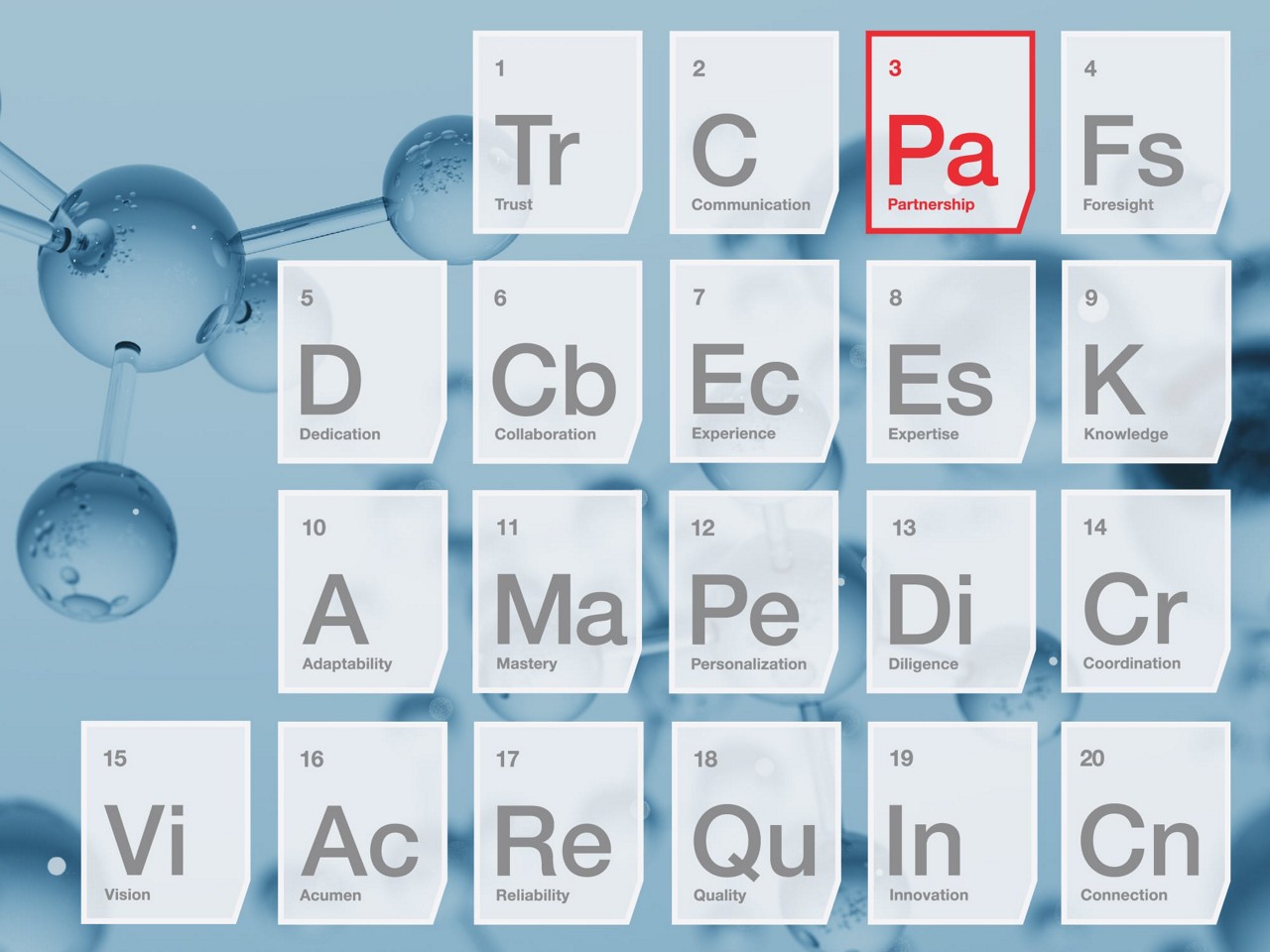
The elements of partnership coupled with scientific and operational excellence
Take advantage of our expertise in drug development with an unparalleled global network of sites; scientific, technical, and regulatory experts; a comprehensive range of tailored solutions; and flexible business models customized to meet your unique needs. Our integrated solutions include powerful digital platforms for timely visibility and collaboration, streamlined project management and partner communication, and our commitment to full project and process transparency at every step of your drug development journey.
Latest features and insights
Ready to discuss your project?
Find your missing element with Thermo Fisher Scientific