The information you provide to the chat will be recorded to improve your experience and to contact you. Please read our privacy notice to see how we are processing and protecting your data. Click to view our Cookie Notice.
We'd love your feedback—take a quick survey to help us improve.
How can we help you today?


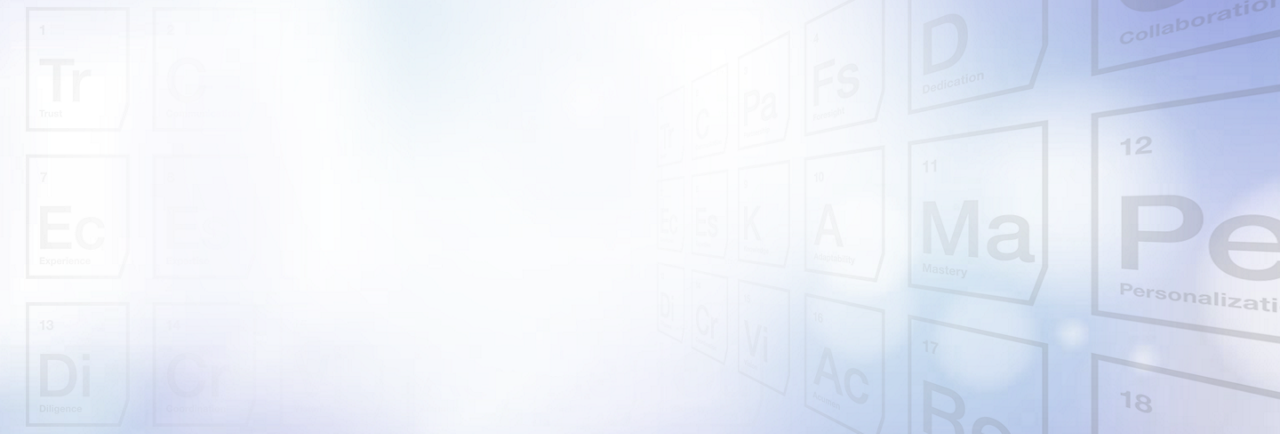
Coordinated drug development as an execution framework
How structural alignment across clinical research, development, manufacturing, and supply improves program progression
Drug development has long been organized around distributed execution. Clinical research, development, manufacturing, and supply operate within separate structures, with alignment rebuilt at each transition.
That model is becoming harder to sustain.
As programs expand across modalities, regions, and regulatory environments, each transition introduces friction—requiring technical context to be revalidated, documentation reconciled, and decisions re-established. The impact is cumulative, affecting timing, cost, and continuity as programs progress.
In this environment, development performance is shaped less by individual activities and more by how those activities are aligned across the lifecycle.
This whitepaper examines how coordinated governance and integrated execution are structured within Thermo Fisher Scientific to support continuity across clinical research, development, manufacturing, and supply.
Where coordinated development changes how programs progress
The paper focuses on three structural elements:
- Extending oversight across clinical research, development, manufacturing, and supply to preserve technical context and reduce the need to rebuild alignment at each transition
- Aligning planning assumptions and decision-making across functions earlier, reducing downstream correction and improving milestone timing
- Maintaining consistent governance, documentation, and risk management as programs expand across regions and production environments
As development programs span more functions, geographies, and regulatory environments, the way activities are coordinated increasingly determines whether progress is sustained or disrupted.
Explore how coordinated development is applied in practice and how it supports continuity, timing predictability, and program progression across clinical research, development, manufacturing, and supply.