The information you provide to the chat will be recorded to improve your experience and to contact you. Please read our privacy notice to see how we are processing and protecting your data. Click to view our Cookie Notice.
We'd love your feedback—take a quick survey to help us improve.
How can we help you today?


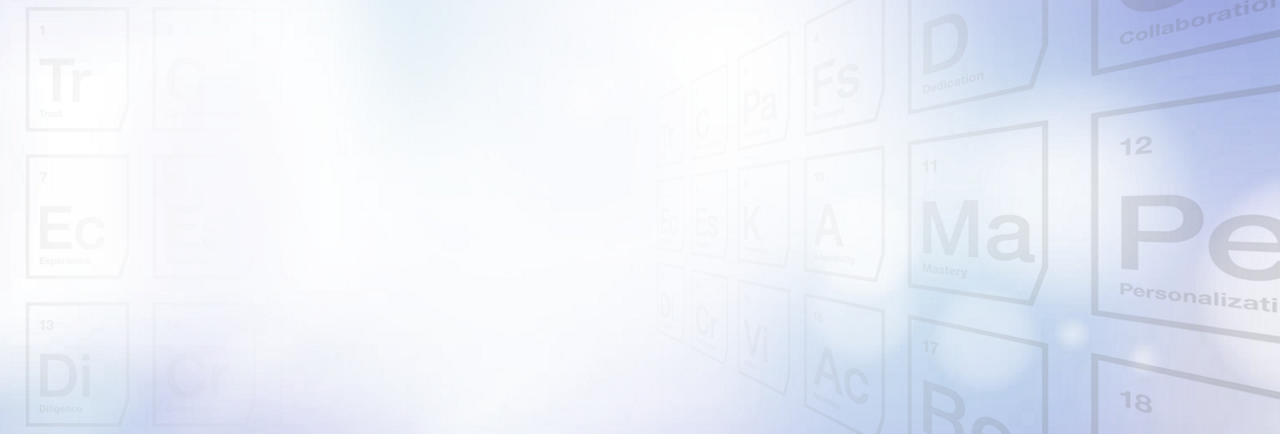
Quadrant 2™: Predictive Platform for Solubility and Bioavailability Enhancement
The Quadrant 2™ platform helps drug sponsors address solubility challenges early—before they impact program development timelines downstream.
Poorly soluble compounds often demonstrate lower bioavailability, which can reduce the efficacy of a drug substance or product. Quadrant 2™ is an artificial intelligence- and machine learning–powered tool for early drug development that enables sponsors to generate in silico predictions of how different drug formulations will behave in real-world conditions.
This diagnostic approach can save time and reduce costs by minimizing trial-and-error experimentation. Quadrant 2™ quickly identifies strategies to enhance solubility, delivering data-driven insights for smarter, faster formulation decisions. Powered by proprietary algorithms, the platform provides a comprehensive, proven predictive framework.
What you’ll learn about Quadrant 2:
This fact sheet provides a general overview of Quadrant 2, including:
- The technology options it evaluates, from spray drying to hot melt extrusion and more
- What the setup process looks like for a new sponsor partnering with Thermo Fisher
- Data on the proven accuracy of the Quadrant 2™ predictive platform technology
Download this fact sheet to learn more about the Quadrant 2™ predictive platform.
Helpful resources
Case Study
Predicting Food Effects with PBPK Modeling
Learn how PBPK modeling predicts food effects in oral drug delivery, helping reduce variability and inform formulation and clinical strategy early.
Case study
Improving Bioavailability with Predictive Modeling
Discover how predictive modeling supports solubility enhancement and improves drug exposure to help advance programs toward clinical evaluation.
Case study
Tablet Tech Transfer Using Compaction Simulation
See how compaction simulation identifies tabletability risks early and supports robust scale-up and technology transfer.
Case study
Polymer Modeling Improves Amorphous Solid Dispersion Design
Download the case study to see how our scientists leveraged existing manufacturing platforms and facilities with CHO K1 cell lines to increase titer levels by 80% without compromising quality.
Case study
Predicting Drug Loading Limits in Tablet Formulations
Learn how early modeling predicts drug loading limits to reduce formulation iterations and improve development efficiency.
Case study
Predicting Softgel Shelf Life with Stability Modeling
Understand how accelerated stability modeling can help predict softgel shelf life and support early formulation decisions.